The Ultimate Guide to Choosing the Right Colors for Your Home Dec 02, 2025
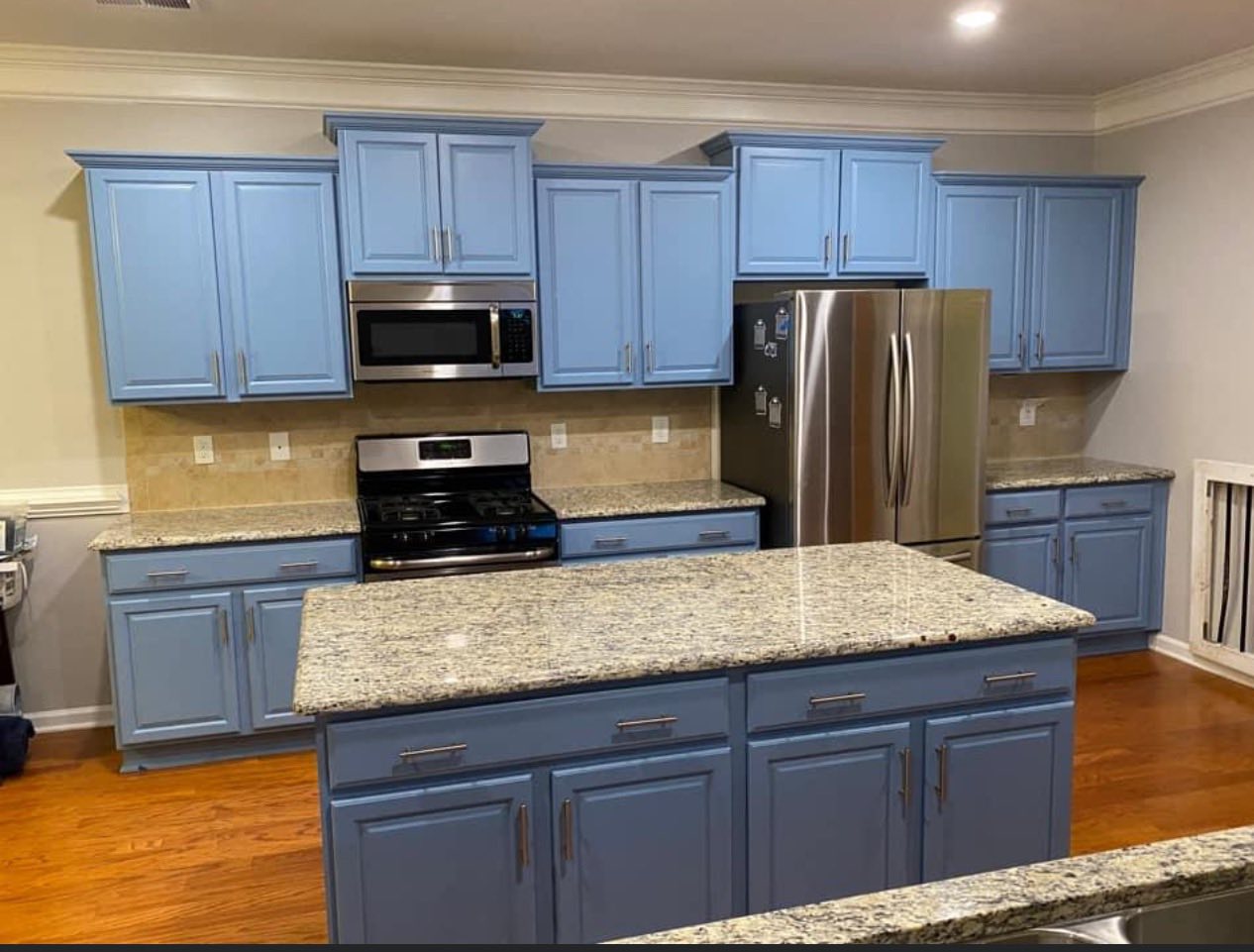
When selecting colors for your home, it's essential to consider the purpose of the room. Are you aiming to create a serene bedroom retreat, a vibrant living room, or a calming workspace? Different colors evoke various emotions, so aligning color choice with the room’s purpose is paramount. For instance, cool blues and greens are known for their calming effects and are perfect for bedrooms or bathrooms. Conversely, warmer hues like reds and oranges are energetic and great for stimulating conversation in living areas or kitchens.
Lighting is another crucial factor influencing how colors appear. Artificial lighting and natural light can dramatically alter the perception of color. Rooms that receive plenty of natural light can handle darker or bolder hues, while those with limited light might benefit from lighter shades to maintain an open and airy feel. Be sure to test color swatches at different times of the day under various lighting conditions to ensure you're satisfied with how they appear.
Understanding color undertones can also make a significant difference. Colors often have subtle hints of other shades that may become more noticeable once the walls are painted. A seemingly neutral gray might have blue or green undertones, which could clash with certain furniture or décor. An easy way to identify undertones is to compare various shades against a true white under different light sources.
Before making a final decision, consider testing a sample patch on your wall. This real-life preview allows you to see how the color complements other elements in the room, such as furniture, flooring, and accessories. It’s an effective way to ensure cohesion within the living space.
Color psychology offers another layer of guidance. For example, yellow is often associated with happiness and can be an excellent choice for kitchens or dining areas to create an inviting atmosphere. On the other hand, purple can introduce a sense of luxury and works well in formal living or dining rooms.
Accent walls can provide an effective way to introduce bold colors without overwhelming the space. By painting a single wall in a bold hue, you can add interest and depth without committing to painting an entire room. This approach is particularly useful in rooms where you want a focal point or wish to highlight architectural elements.
Lastly, consider the flow between rooms. Open floor plans, common in modern homes, benefit from a cohesive color scheme that allows rooms to blend seamlessly. While each room can have its personality, maintaining a common thread in the color palette ensures harmony throughout the home.
In summary, choosing the right colors involves considering the room’s purpose, lighting, undertones, and the emotional impact of colors. With thoughtful planning, your selection will enhance the beauty and feel of your home. At Paintway to Heaven, we're here to assist you every step of the way, ensuring that your vision comes to life with the perfect palette. Make an appointment today to transform your environment with professional insight and quality craftsmanship.
/filters:no_upscale()/filters:format(webp)/media/ca165468-0b04-4d08-87fe-fab0a4f310d1.jpeg)